
Hairline Transplant in Mexico

Hairline transplantation in just 2 days in Cancun, first results visible in 2 weeks. Accommodation and transport included.

Why Does the Hairline Recede?

Hairline recession is most commonly caused by age-related androgenetic hair loss. Over time, hair follicles in the frontal and temple areas gradually miniaturize due to genetic sensitivity to DHT (dihydrotestosterone).

As these hairs become thinner and weaker, the frontal hairline slowly moves backward, and temple angles become more pronounced. This process can begin as early as the late twenties and progresses at different speeds depending on individual genetics.

Although the forehead itself does not change in size, the reduction in frontal density creates the appearance of a larger forehead and altered facial proportions.

Hairline transplant addresses this specific pattern of hair loss by restoring density in the frontal zone while preserving a natural and age-appropriate design.

Natural Hairline Design Requires Surgical Precision

The frontal hairline is the most visible part of any hair transplant. Even small design mistakes can lead to an unnatural or artificial appearance.

Hairline design is always discussed in detail with the patient before the procedure. Some individuals prefer a cleaner, sharper frontal line similar to a barbershop finish, while others prefer a softer, more natural hairline with subtle irregularities that mimic original hair growth.

Our Turkish surgeons carefully design each hairline based on facial proportions, age, and long-term hair loss progression. Rather than creating a rigid, artificial line, we aim to restore a balanced and age-appropriate frontal frame.

Every graft is placed individually with precise angle and direction control to ensure a natural density transition from the hairline backward.

The goal is not simply to lower the hairline, but to create a personalized, realistic result that harmonizes with the patient’s facial structure.

Hairline Transplant Procedure Step-by-Step

A hairline transplant is a precise microsurgical procedure performed under local anesthesia. The entire process is completed in one day using advanced FUE and DHI techniques.

Personalized Hairline Design

Before the procedure begins, the surgeon carefully designs the frontal hairline together with the patient. Facial proportions, age, and long-term hair loss progression are taken into consideration.

Some patients prefer a sharper, defined hairline, while others choose a softer, natural contour with subtle irregularities. The final design is approved by the patient before implantation begins.

Precise Graft Implantation (DHI Technique)

Hair follicles are extracted individually from the donor area using the FUE technique and then implanted one by one into the frontal zone.

Using precise angle and depth control, each graft is placed to recreate natural growth direction. This meticulous implantation ensures a soft transition from the hairline backward.

*The procedure typically takes 6-8 hours, and patients return hotel the same day with minimal downtime.

How Many Grafts Are Needed for a Hairline Transplant?

The number of grafts required for a hairline transplant varies from patient to patient. It depends on the degree of hairline recession, donor area density, long-term hair loss stability, and the desired design.

An experienced surgeon determines the appropriate graft count based on clinical evaluation and years of surgical expertise.

We can also provide a preliminary estimation based on photos you send for online assessment, allowing you to understand the approximate scope of work.

However, the final graft count is confirmed immediately before the procedure, after the doctor carefully evaluates donor area capacity and ensures that a safe number of follicles can be harvested without compromising long-term density.

Typical Graft Ranges for Hairline Restoration

In most cases, hairline restoration requires a higher graft count than patients initially expect.

Because frontal recession often includes temple angles and partial density loss behind the hairline, the procedure typically requires between 2000 and 3500 grafts to achieve natural density and long-term stability.

The exact number depends on:

  • Depth of recession

  • Donor area density

  • Long-term hair loss progression

  • Desired hairline design

While minor corrections may require fewer grafts, the majority of patients seeking hairline reconstruction present with moderate to advanced frontal recession.

We can provide a preliminary graft estimate based on photos you send for online assessment. However, the final graft count is determined on the day of the procedure after evaluating donor capacity to ensure safe extraction and long-term donor preservation.

The goal is not simply to lower the hairline, but to create a balanced and natural frontal frame that will remain stable over time.

When Is a Hairline Transplant Really Necessary?

Not every minor hairline change requires immediate surgical correction.

In early stages of recession, when the hairline has moved back only slightly, a transplant may not always be the best first step. In some cases, medical therapy or observation may be recommended to evaluate progression.

However, when frontal recession becomes clearly visible and begins to alter facial proportions, surgical restoration becomes a more predictable and effective solution.

In the majority of our patients, clinically significant frontal recession typically requires between 2000 and 3500 grafts to restore natural density and structural balance.

The decision is always based on long-term planning not just current appearance. Stability of hair loss, donor capacity, and realistic design goals are carefully evaluated before recommending surgery.

Patient Recovery Journey

Hairline Healing
& Growth Timeline

A visual guide to what to expect after your hairline transplant, from day one to final results.
Day 1 after hairline transplant with visible graft placement and early healing Day 1

Day 1 After Transplant

Fresh graft placement complete. Mild redness and swelling are completely normal. The area begins healing from the inside out.
Mild swellingRedness
One week after hairline transplant showing healing grafts and early recovery Week 1

1 Week Post-Op

Early healing phase. Small scabs form and gradually clear. The transplanted area settles into its new position.
ScabbingEarly healing
Two weeks after hairline transplant during early recovery phase Week 2

2 Weeks Post-Op

The temporary shedding phase begins. Only the hair shafts fall. The transplanted follicles remain alive beneath the skin and enter a resting phase before new growth starts.
Shedding phaseFollicles resting
One month after hairline transplant during early regrowth phase Month 1

1 Month Post-Op

The shedding phase is usually complete. Transplanted follicles remain dormant beneath the skin before entering the active growth phase in the coming months.
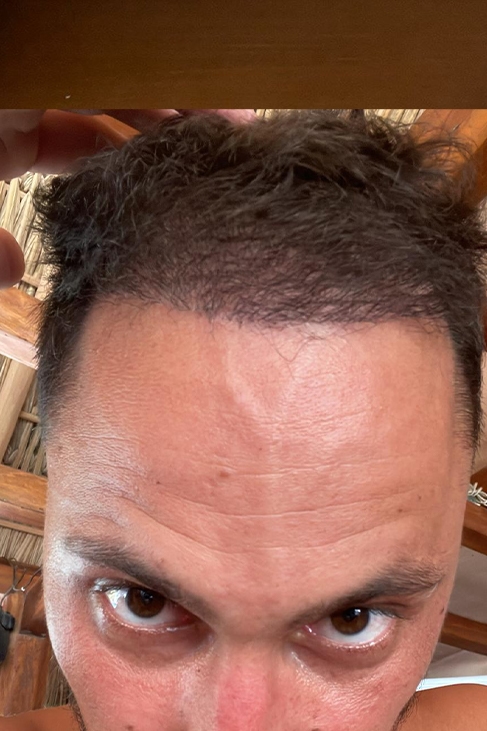
Skin healedDormant phase
Four months after hairline transplant showing visible new growth Month 4

4 Months, Visible Growth

New hair begins to grow from the transplanted follicles. These hairs originate from DHT-resistant donor follicles and are genetically stable.
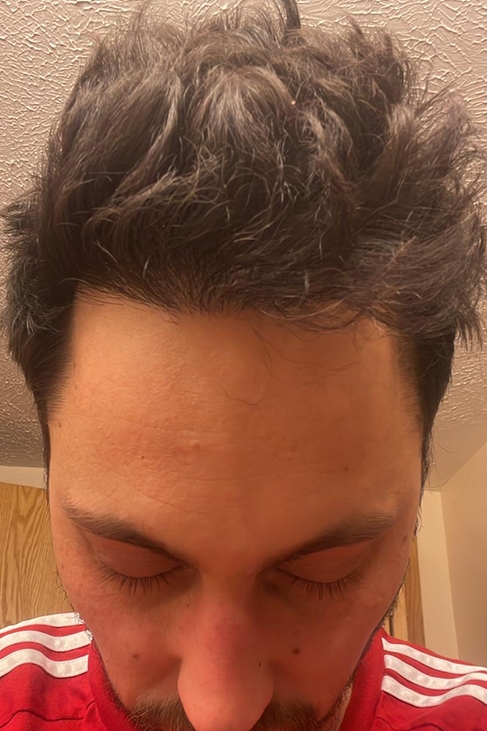
New growthDHT-resistant
One year after hairline transplant showing final natural density 1 Year

1 Year, Final Result

Full density achieved. Transplanted hair behaves like natural donor hair and continues normal growth cycles over time.

Full densityNatural textureFinal result

* Healing and growth vary by individual patient. Final density continues to improve up to 12 months post-procedure.
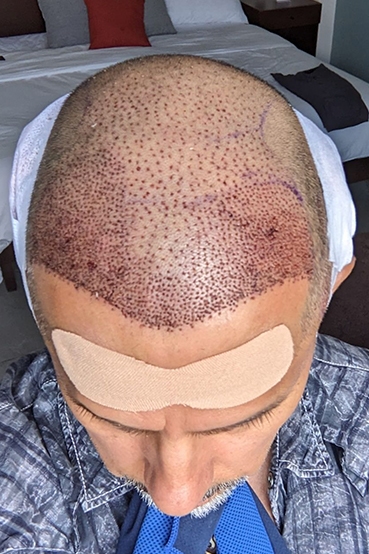
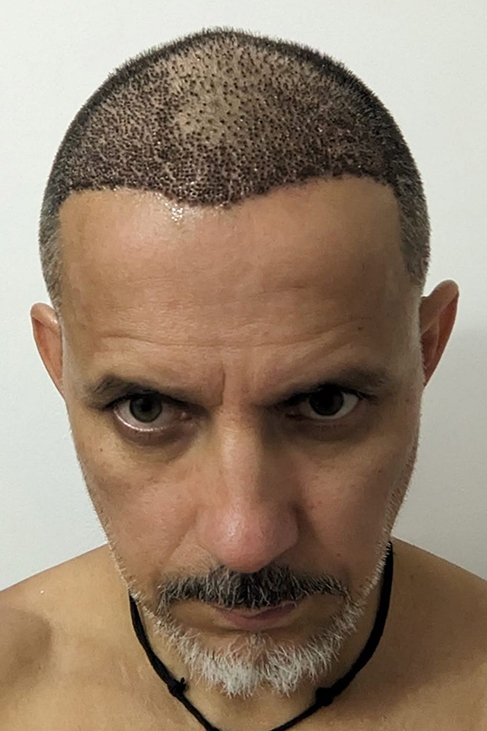
Hairline Transplant Before and After Results

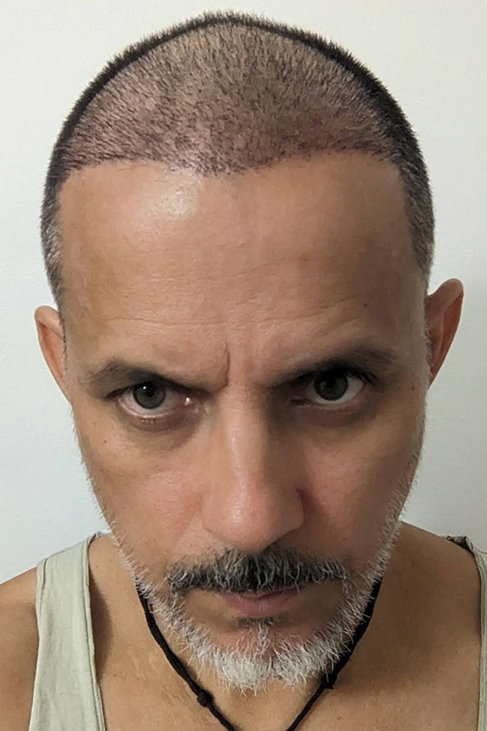
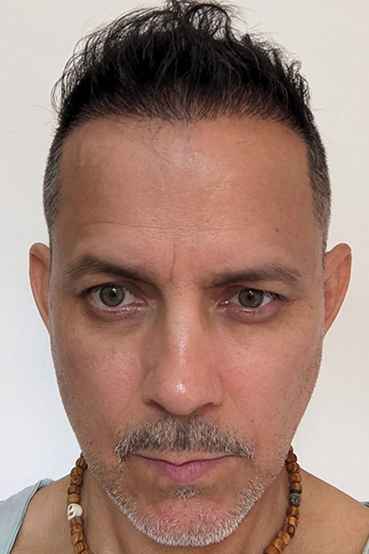
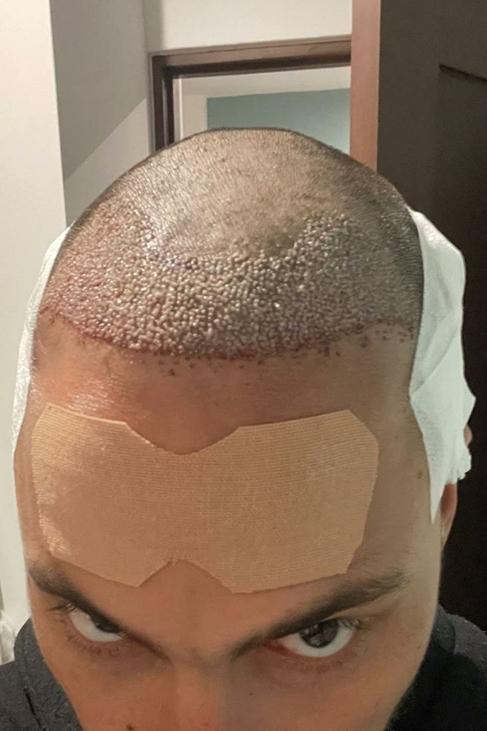
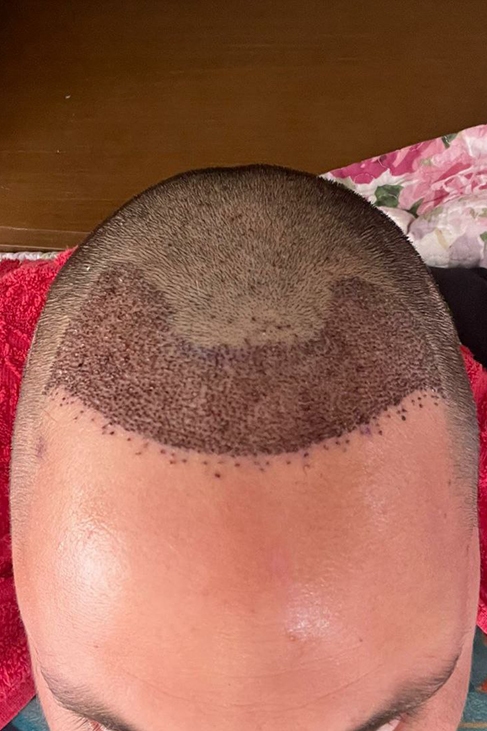
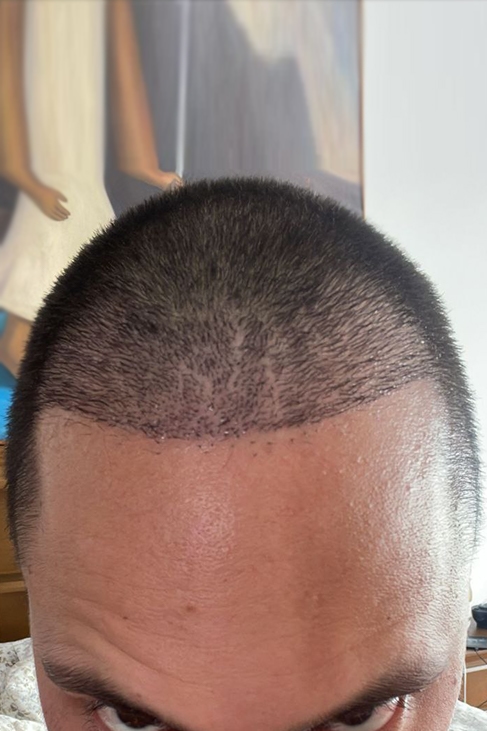
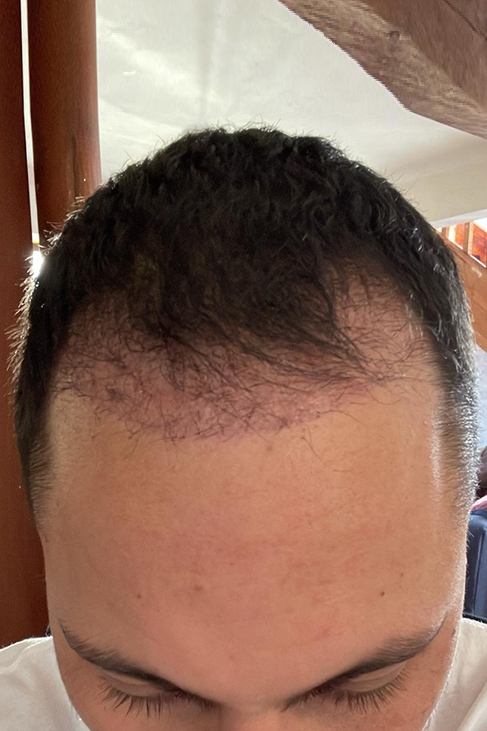
Real patient case showing hairline restoration progress from the day of surgery to the final result.

Immediately After Transplant
Early healing stage 1 week after hairline transplant demonstrating graft placement
1 Week Post-Op
Hairline transplant progress showing developing frontal density after 2 weeks and natural hairline transition
2 Weeks Post-Op
Final hairline transplant after 7 months result showing natural frontal hairline restoration and improved facial balance
7 Months Result

*Frontal hairline restoration – approximately 3,350 grafts. Final density typically continues to improve up to 12 months after the procedure.

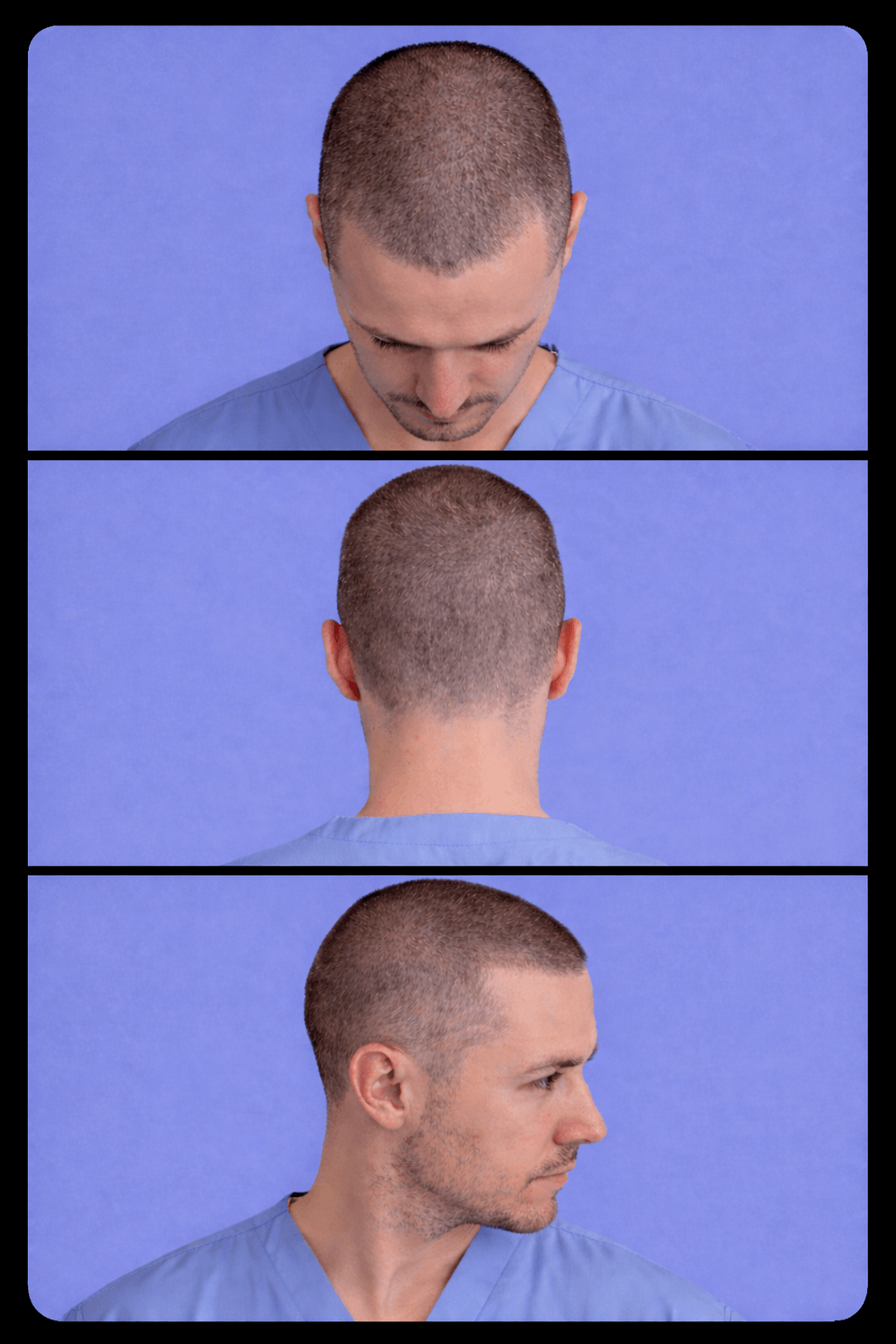
Hair transplant donor area front back and side view
Example photos for hairline evaluationFront • Back • Side

Get Your Hairline Evaluation

Send a few photos of your hairline and donor area. Our specialists will review your case and provide a personalized graft estimate.

Free consultation Personalized graft estimate Direct WhatsApp support

Most assessments are completed within 24 hours. Your consultation is completely confidential.

Our Advantages

This image showcases a sleek, white, adjustable massage chair designed for hair transplant or medical procedures

Patient Comfort First

We prioritize your comfort above all else

This image features two medical professionals posing with a patient dressed in a blue surgical cape. The healthcare workers, wearing scrubs and face masks, stand on either side of the patient, who smiles warmly at the camera. The image, set against a transparent background, conveys a sense of professionalism and care before a medical procedure.

7 years of experience

Clinics in Turkey and Mexico with over 2,500 happy clients

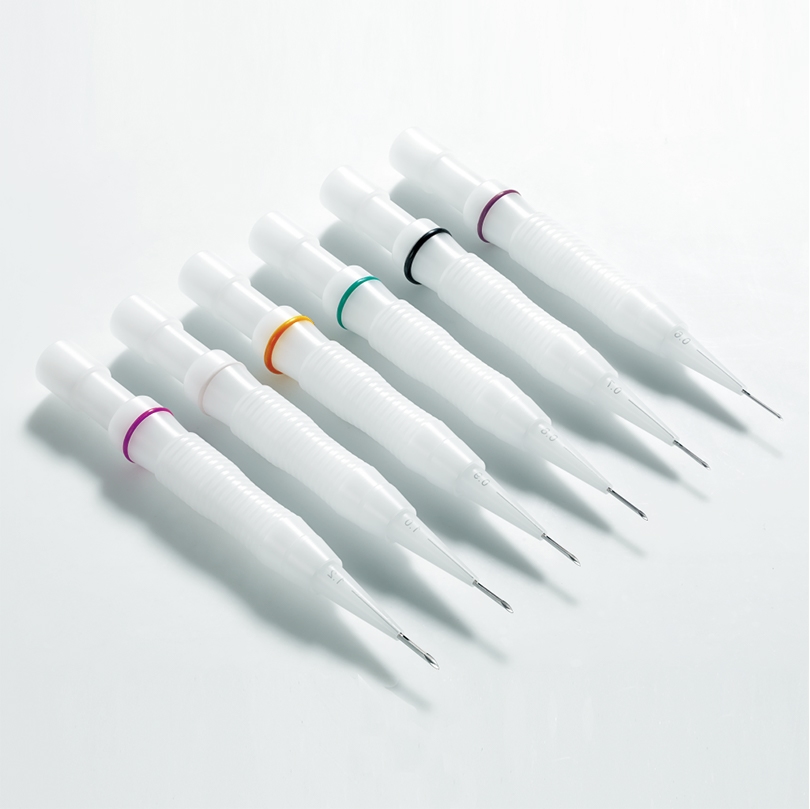
This image features six Implanter Choi Pens, tools used in Direct Hair Implantation (DHI) procedures for precise graft placement. The pens are displayed in a row, each differentiated by a colored ring, representing various sizes for different graft requirements. Their ergonomic design and pointed tips emphasize their specialized use in hair restoration treatments

Modern equipment

from South Korea, USA, Germany, Italy

Credit card with a chip on the left side and the MasterCard logo in the bottom right corner. A red badge with a white checkmark overlaps part of the card, symbolizing approval or verification. The design is displayed on a transparent background, emphasizing the card's clean and modern look

Stable pricing

Our procedure prices have stayed the same for 5 years

Red location marker icon placed over a map with green and blue shaded areas. The design represents pinpointing a specific location or region, commonly associated with navigation, mapping, or geographic services. The transparent background ensures versatility for various design or digital purposes.

Central location

Convenient location, 10 minutes from Cancun center

This image features a clipboard holding a sheet of lined paper, with a bold red checkmark badge overlapping the right side. The design suggests organization, completion, or approval, making it ideal for concepts like task management or checklist verification. The transparent background ensures easy integration into various designs.

Ongoing training

Doctors continually upgrade skills through training in Turkey

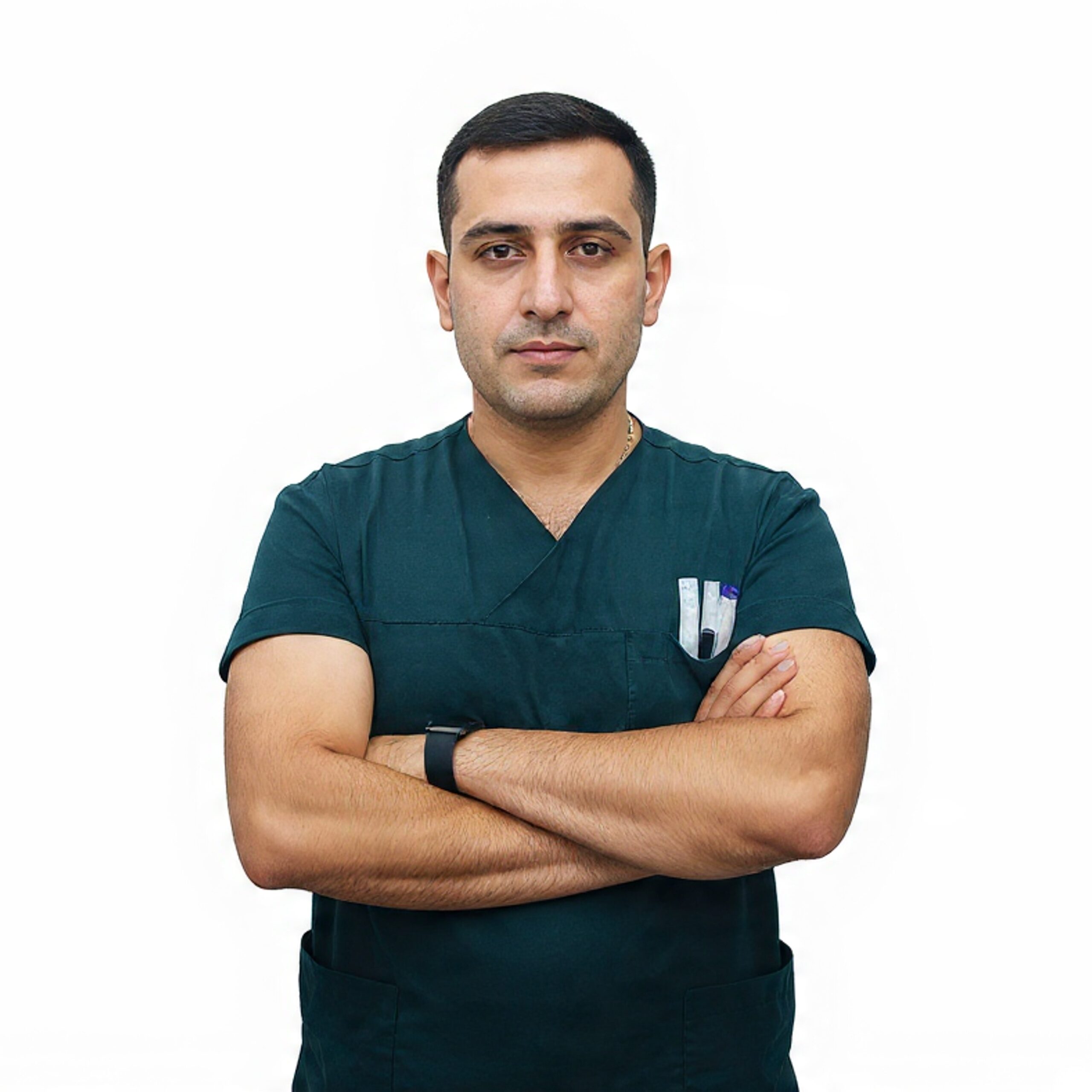
Doctor wearing glasses and a dark green medical uniform, standing confidently with arms crossed. The professional attire includes pens in the chest pocket, and the individual projects a calm and approachable demeanor. The transparent background makes it suitable for versatile design or promotional use.

Experienced doctors

Experienced doctors with 3 to 15 years of practice

Red capsule pill split in half, with the engraved text "CHILL PILL" visible on its surface

Painless treatment

You won’t experience sharp pain during the procedure

A Few Numbers

Explore our professional background of excellence

Years of Experience
0
Happy Clients
0 K
Employees
0

Hairline Transplant F.A.Q.

A hairline transplant is a procedure that restores a receding frontal hairline by transplanting healthy hair follicles from the donor area (usually the back of the head) into the frontal region.

Yes. Transplanted hair follicles are taken from areas that are genetically resistant to hair loss, meaning the new hair continues to grow permanently.

Most hairline procedures require between 2000 and 3500 grafts depending on the degree of recession, donor density, and desired hairline design.

The procedure is performed under local anesthesia, so patients typically feel minimal discomfort during the transplant.

Initial healing usually takes 7-10 days. Most patients return to normal daily activities within a few days after the procedure.

New hair growth usually begins around month 3-4, while final density and natural texture develop between 9 and 12 months.

Yes. Hairline design is discussed with the surgeon before the procedure. The final design is based on facial proportions, age, and long-term hair loss patterns to ensure natural results.

Get In Touch
Find Us

Send us a message

Scroll to Top