






F.A.Q.
A hair transplant procedure is not suitable for everyone. Good candidates are those with stable hair loss or thinning hair who have a sufficient amount of donor hair on the back or sides of their head. A consultation with a doctor will help determine if this procedure is right for you.
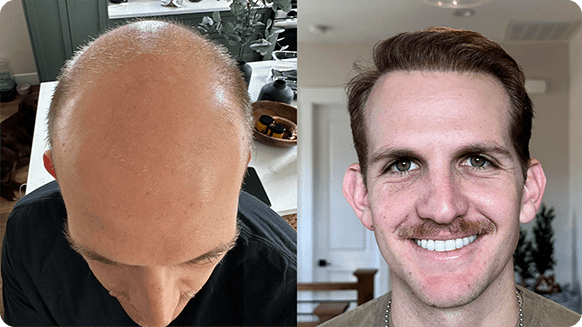
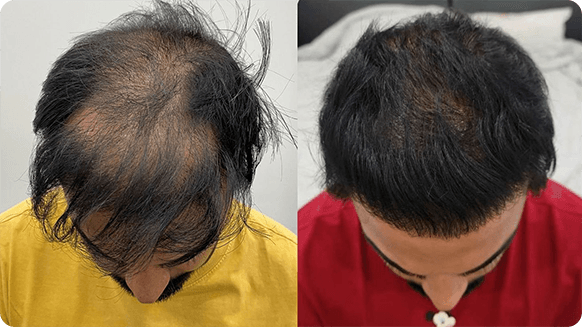
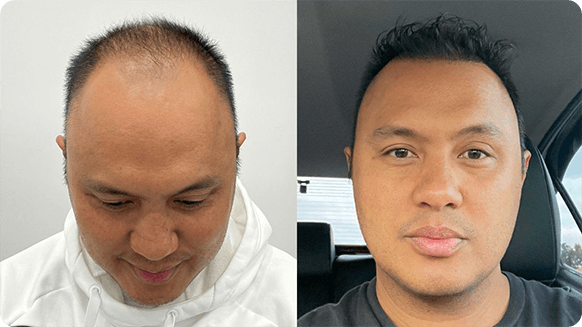
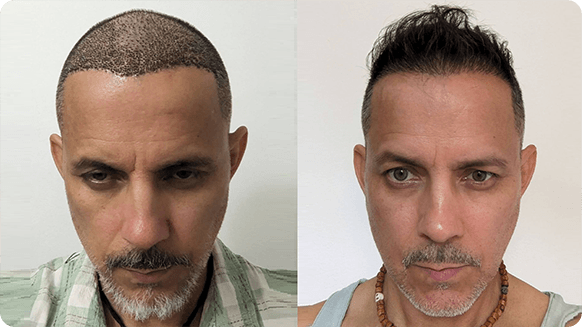
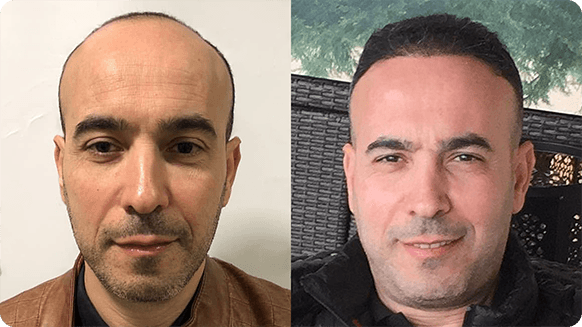
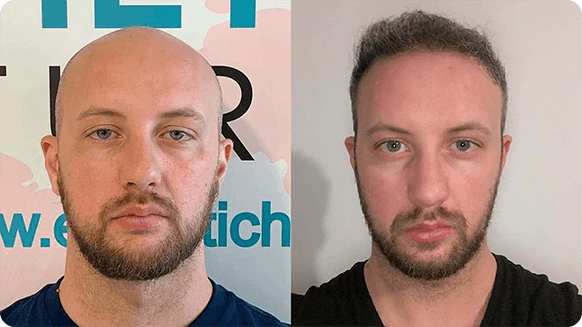
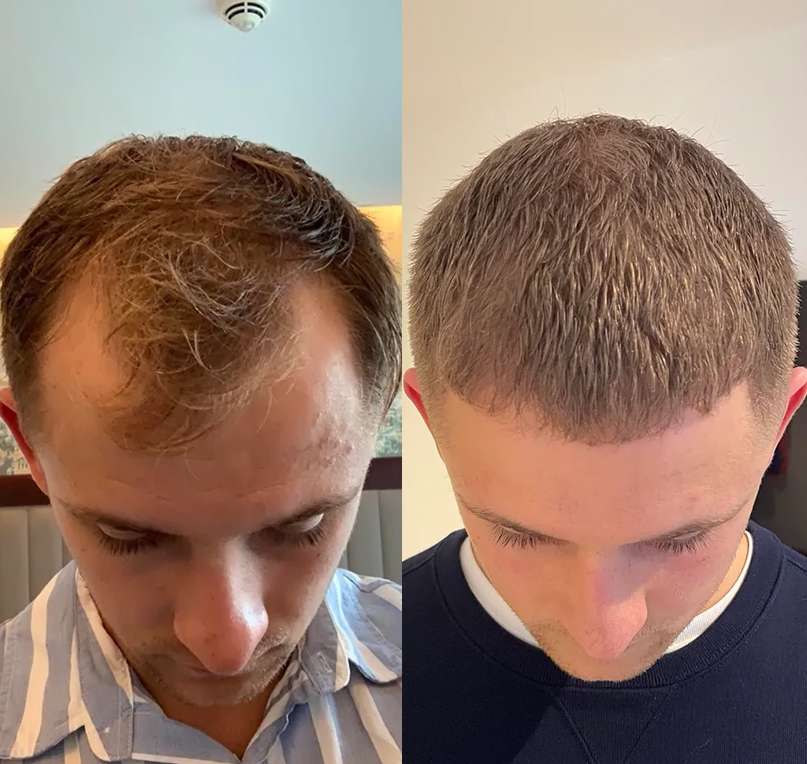
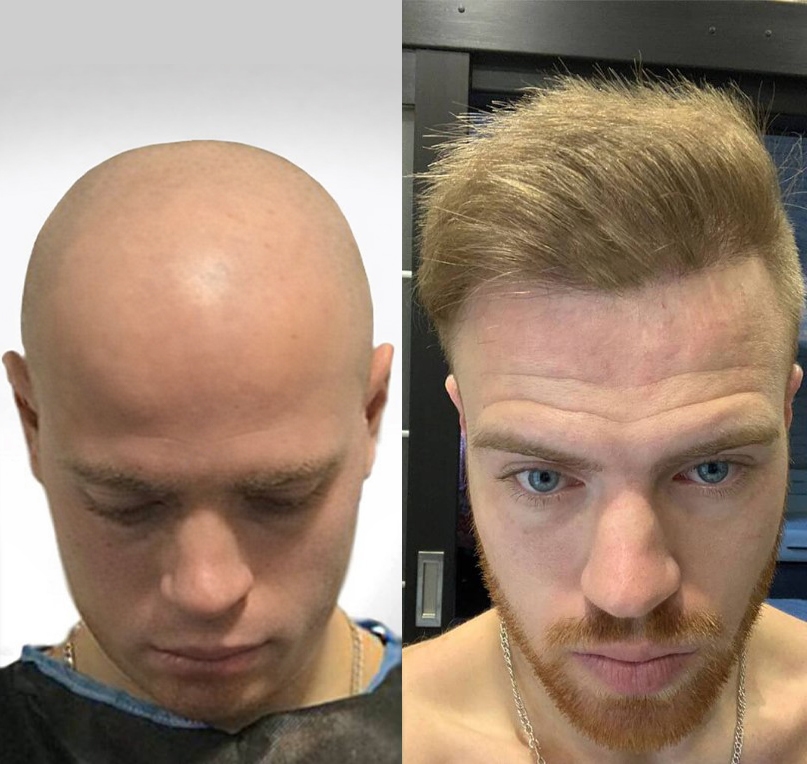
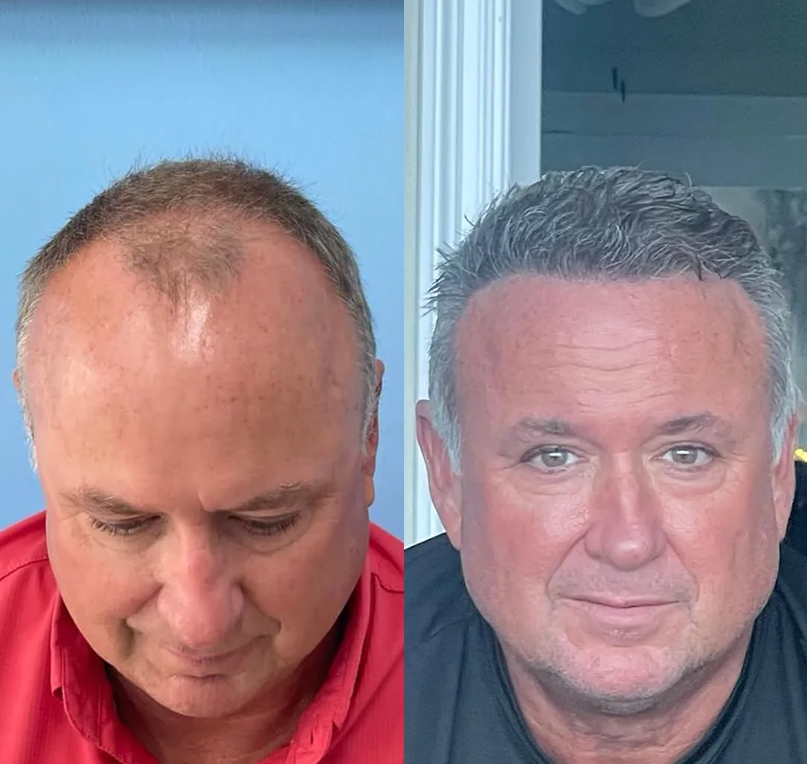
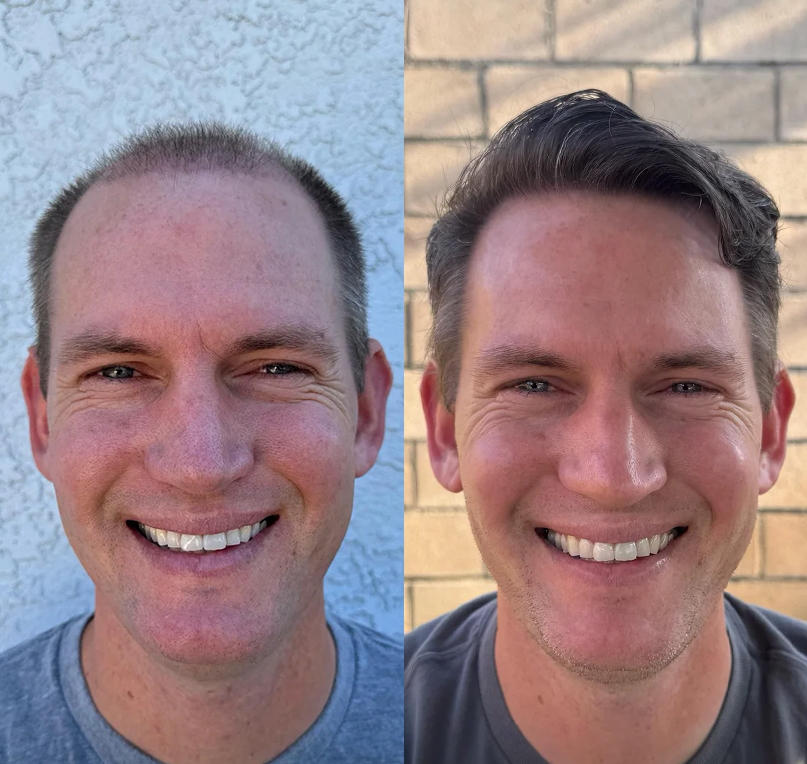
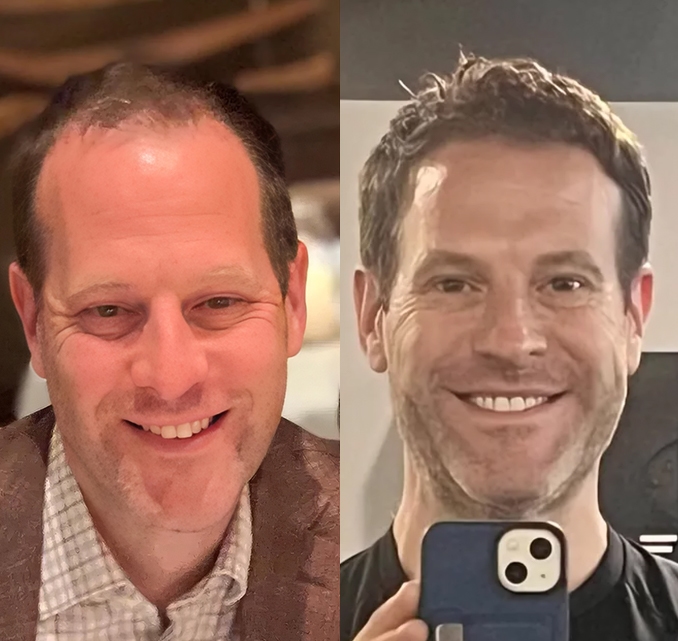
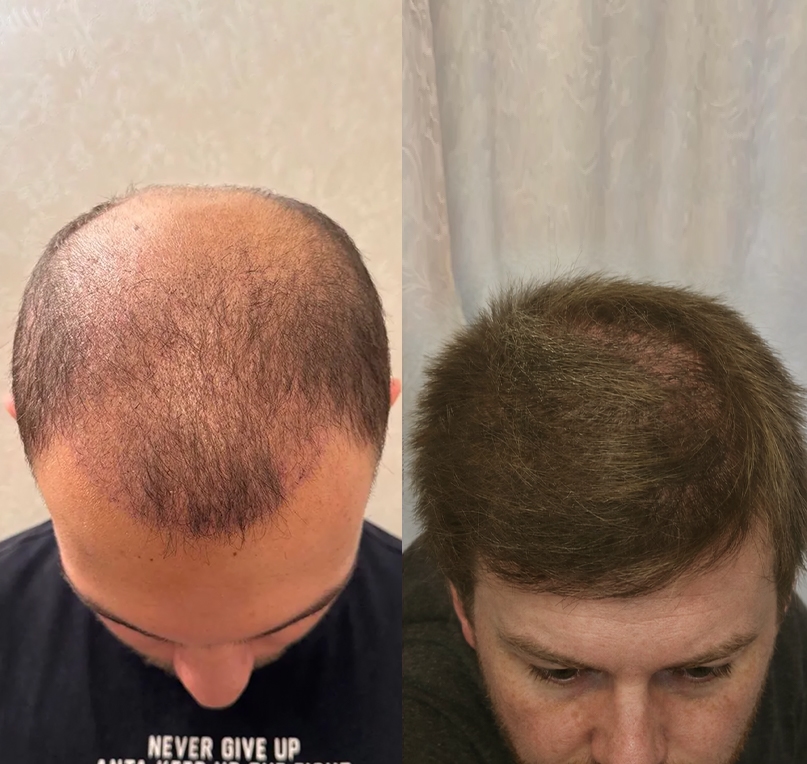
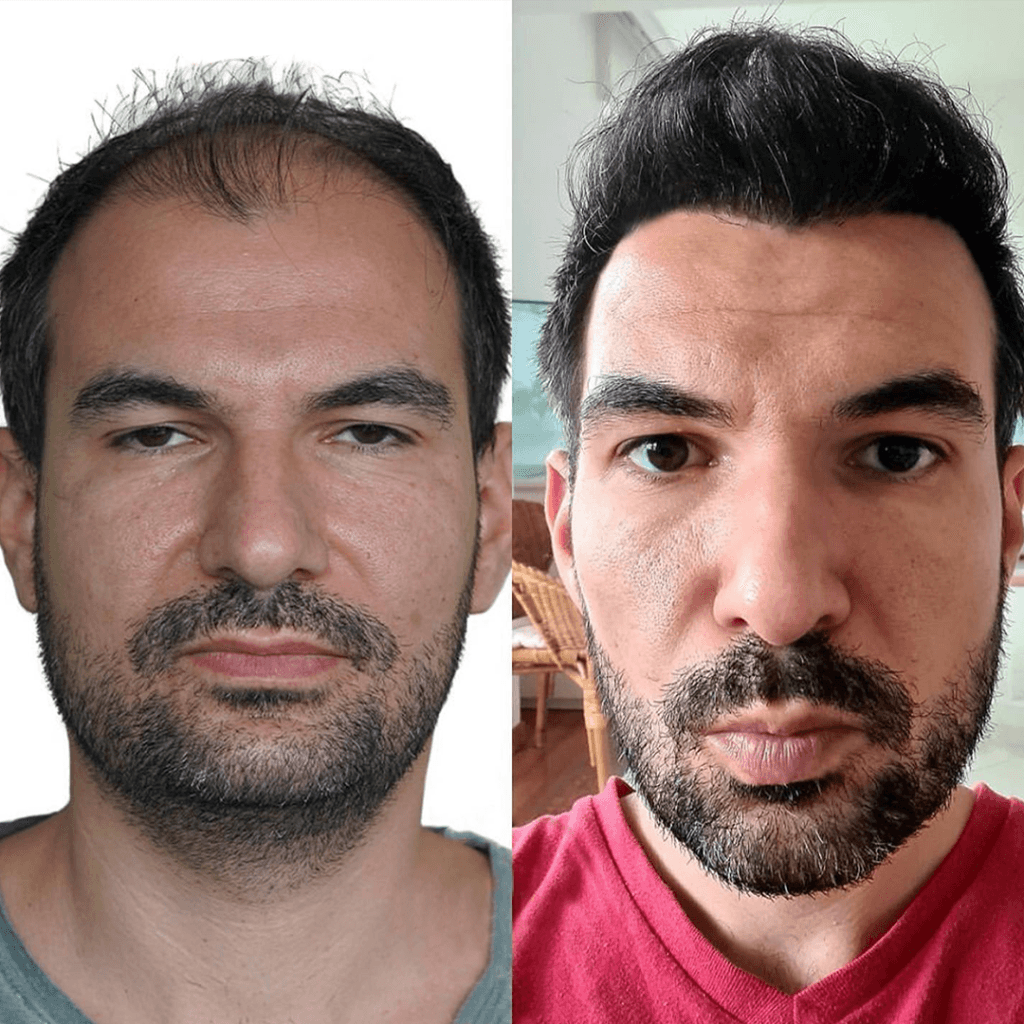
Initial results become noticeable 3-4 months after the procedure, but the full effect usually appears within 9-12 months as the transplanted hair fully grows out.
The hair transplant procedure is performed under local anesthesia, which may cause some discomfort during administration. However, patients do not experience pain during the procedure itself. Any discomfort after the procedure is also possible but can be easily managed with standard pain relief medication.
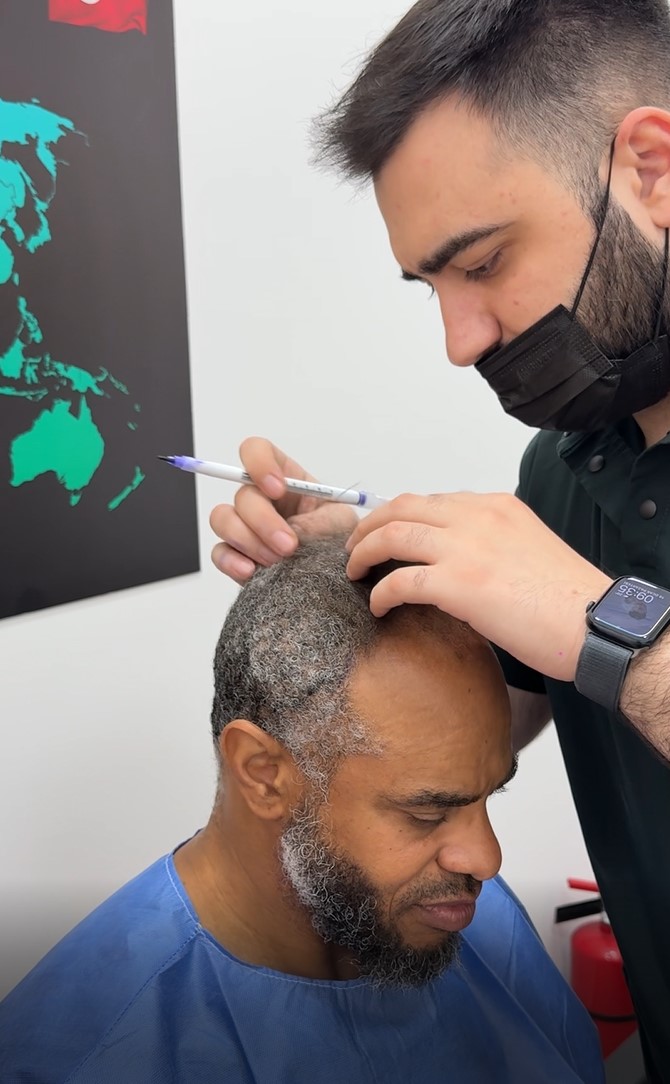
Follicles are stored in a special cooled solution, and once the required number is extracted, they are immediately transplanted to the balding area. The entire process is carefully organized to minimize the time follicles spend outside the body and to maximize their survival rate. The duration also depends on the number of grafts being transplanted.
The density during a hair transplant procedure is typically up to approximately 10 grafts per square centimeter. Each graft can contain between 1 to 5 hairs, ensuring a natural and dense result.
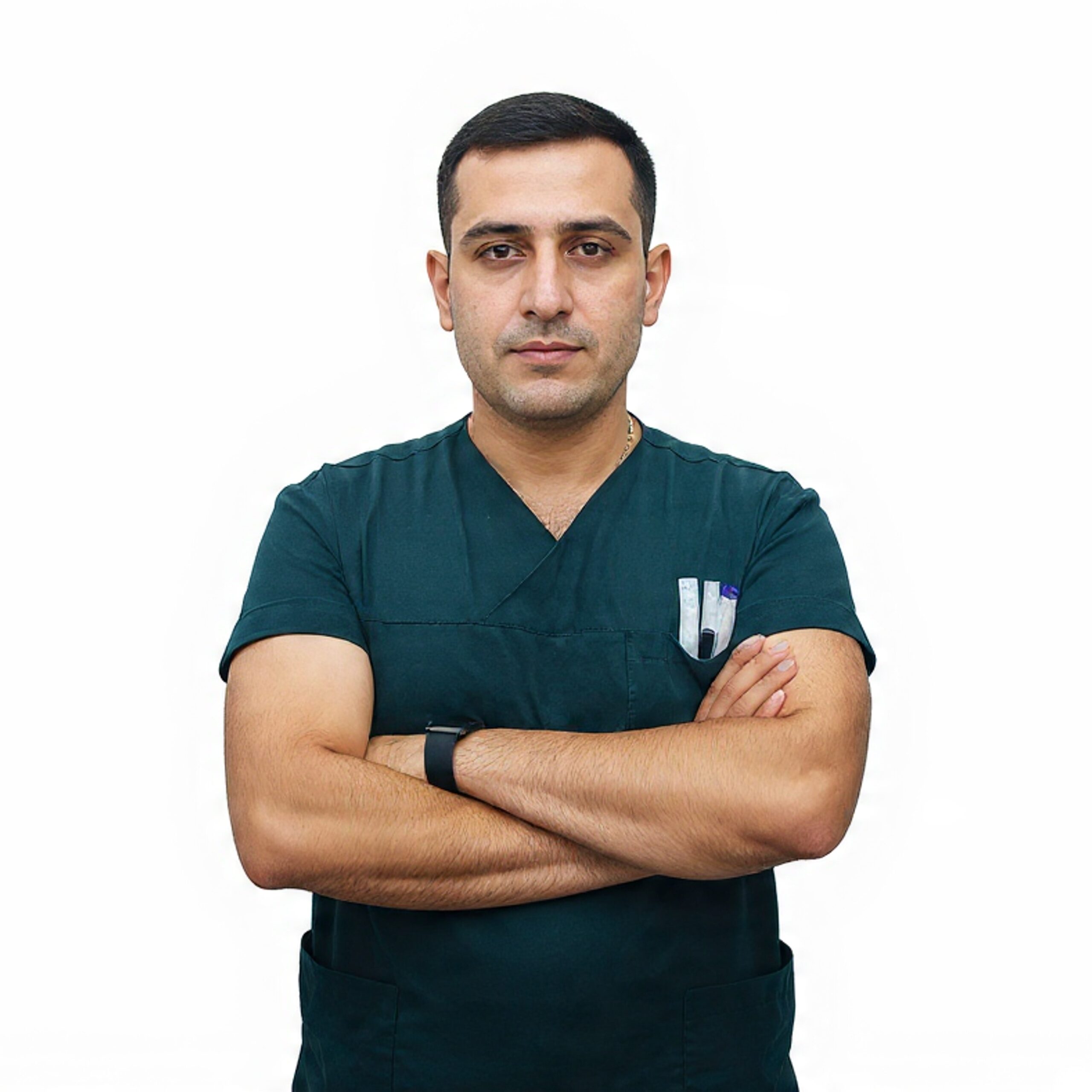
Our doctors have an average age of 30. This is important so they can perform complex procedures like DHI with maximum precision and accuracy, which require a high level of concentration.
Transplanted hair may fall out about 3 weeks after the procedure, which is a normal part of the process. After that, new hair will begin to grow, and the results will be permanent.
In most cases, one procedure is sufficient to achieve the desired result. However, in cases of significant hair loss, a second procedure may be necessary. Additionally, for those who want to increase hair density over time, an additional procedure may be required.